 July 27 marked the 5th anniversary of my book "A Rock Solid History of Hawthorne, New Jersey." On this occasion I'd like to announce my next book is nearly done!
This is the most common question I get asked from people at fairs. I appreciate your patience. Historical books - ones that try to be accurate - take a long time. This is a historical fiction, but I make sure to stay as close to the amazing truth as possible. And get this - it is the first of 3 novels connected by a true piece of jewelry. Now a caveat - just because I'm nearly done writing does not mean you can get it soon. Maybe if I was a NYT best seller. Lol. This is just the beginning of the process. It will go through many more revisions... So literary agents - I'm looking at you! Let's make the magic happen!!! #amwriting #historicalfictionismyjam #ineedaliteraryagent #literaryagentplease #thesestoriesmustbetold #bookanniversary #bookbirthday #historydetectivegetswriting #njhistory #newjerseyhistory #getmepublished
0 Comments
 Read about a new American Girl from NJ 🎎, a special house 🏡, an old NJ town 🌆, very old tools 🔺, and how homes have been heated throughout history 🔥 in this week's Rock Solid History News Digest for families.
Get this newsletter, which includes family-friendly events, by signing up at the button above. This newsletter was started during the Covid lockdown to share historical events and intriguing stories happening around us all the time, especially in New Jersey! 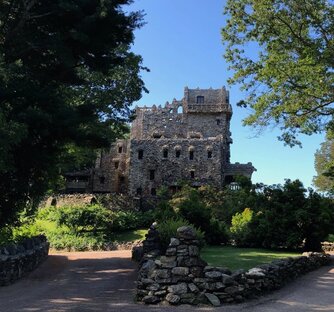 In this week's "Rock Solid History News Digest," read about a Marvel legend 📘 from NJ, an Italian Christmas tradition 🐚, a secret but important society 🚂, telling cemetery history through art 🎨, and secret rooms in amazing homes 🏰! (Photo courtesy of gillettecastlefriends.org)
If interested in this digest for families, sign up at the button above! Happy new year! 🥳🎉  Read about forgotten caves 🍾, caviar 🐟🥚, a Newark Museum of Art honor 🥳, gum’s history 🍬, and special cemeteries in Lithuania 🤎 in this week's "Rock Solid History News Digest."
There is something for everyone in this issue, young and old alike. I love that I learn something new every week with these incredible stories. Plus I include family friendly events in New Jersey and New York. Sign up at the button above! 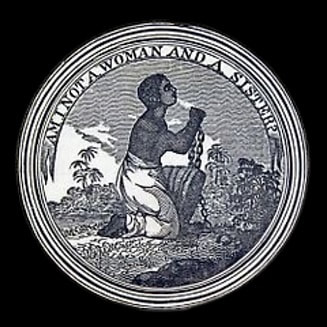 Learn about a NJ woman who escaped slavery and led many to freedom on the Underground Railroad in this week's "Rock Solid History News Digest." I never knew about her until I saw this story! (Image courtesy of standupforsalem.org)
Read about this and more (such as a refreshing mural 🌊, an old stadium’s generous gift 🎁, a grass house 🟩, and ancient art 🎨) in the latest edition, plus find lots of family-friendly holiday events. Sign up at the button above. I share the most incredible stories of the week about history and archaeology to engage young minds. #RockSolidHistory #RockSolidHistoryNewsDigest #kidseducationnj #historyeducationnj #njhistory #gardenstatehistory #whathistoryisnearyou #historyiseverywhere #engageyoungmindsinhistory #localhistorymatters #comprehensiveNJhistory #UndergroundRailroadNJ 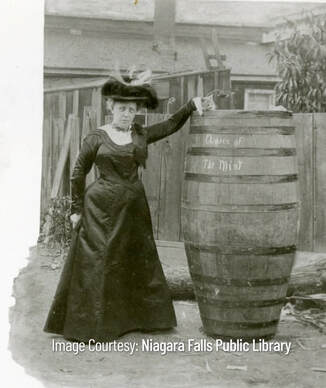 Discuss weird & fun NJ/NY history with your kids with the weekly "Rock Solid History News Digest."
This week, learn about a Colonial Thanksgiving in NJ 🦃, city halls 🏢, daredevils 🎢, a mysterious labyrinth ⨷, and an underwater monument 🌊! Click the button above to sign up. No strings attached! Also get loads of holiday events happening in the region this month. 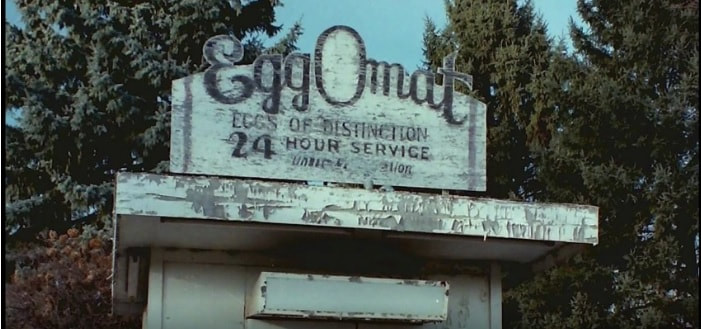 In this week's digest, learn about an old egg vending machine 🥚, sculptures at night 🌃, a slavery history project 📚, new cemetery markers for heroes ⚔, and an ancient chariot 🏇!
The "Rock Solid History News Digest" is designed to enthrall young and older minds alike with local (NJ/NY) and worldly history. Click on the button above to sign up! 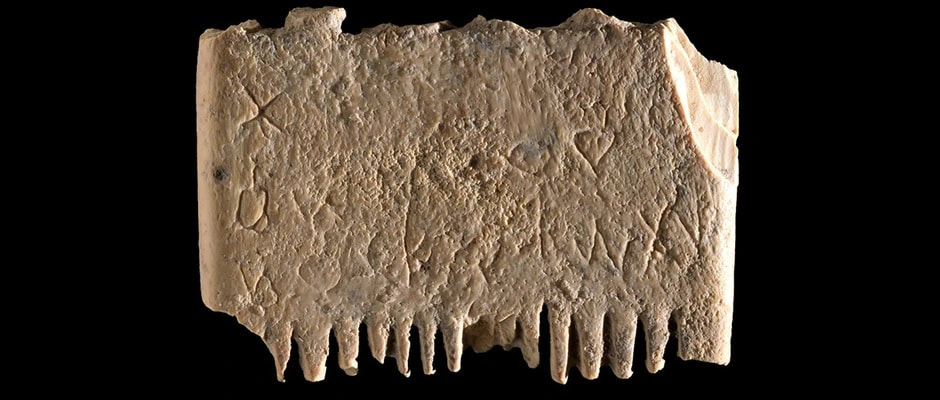 Have you ever had head lice? Well people had it way back when too!
Read about this old lice removing comb, as well as basketball history 🏀, a beautiful hotel 🏨, a young poet ✍, and learning about buildings through the Metaverse 💻 in this week's "Rock Solid History News Digest!" for families (photo by Dafna Gazit, Israel Antiquities Authority). If you haven't signed up yet, do so by Sunday to get a special Thanksgiving issue. Sign up at the button above. The newsletter includes interesting stories to enthrall young minds about history in the Garden state and beyond, as well as fun family-friendly activities happening locally. Plus some special holiday editions! 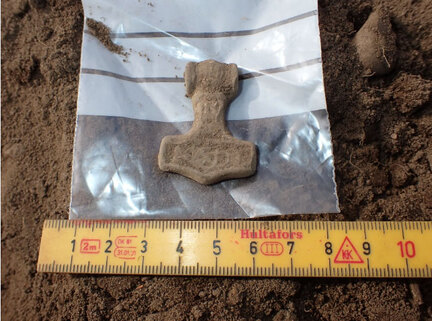 Lots of fascinating stories in this week's "Rock Solid History News Digest" for families. Learn about sporty quilts ⚾⛋, the oldest town in NJ 🌆, Thomas Edison's other invention 🏠, a renewed Black cemetery ✨, and Thor’s hammer 🔨!!!
Sign up at the button above to get the full newsletter, which includes a calendar of family-friendly events in NJ/NY as well as day trip destinations. Be sure to sign up soon to get some bonus HOLIDAY issues too!! (Photo of Thor's hammer courtesy of Halland Museum of Cultural History) 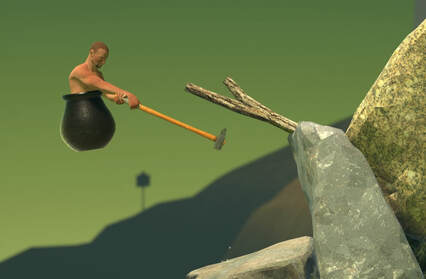 Learn about a beautiful Harriet Tubman mural 💜, a curious artifact ❓, a cool digital map 📜 in NJ, as well as a video game exhibit 🎮 at a NY museum in this week's "Rock Solid History News Digest." Then travel to Iran to discover the new understanding of an old language 📑!
Each week, the most fascinating stories for young minds are selected to build a life-long interest in history/ archaeology. Additionally, a slew of events in NJ & NY are shared for everyday or weekend fun. Sign up below to receive the weekly digest, along with special holiday editions. This newsletter was started during the COVID-19 lockdown to recognize the many historical events at our fingertips, all the time (both virtual and in-person). (Photo above courtesy of MoMA.) |
Sign Up!Iggy delivers weekly stories to inspire kids to have a life-long love of history in the Garden State and beyond. To sign up to get even more, contact Iggy here Archives
January 2023
Categories |
 RSS Feed